






































How Pasig City is finding a new way to create public spaces along the river
What if a park didn't need to be built on land?
In Pasig City, that question is becoming a reality.
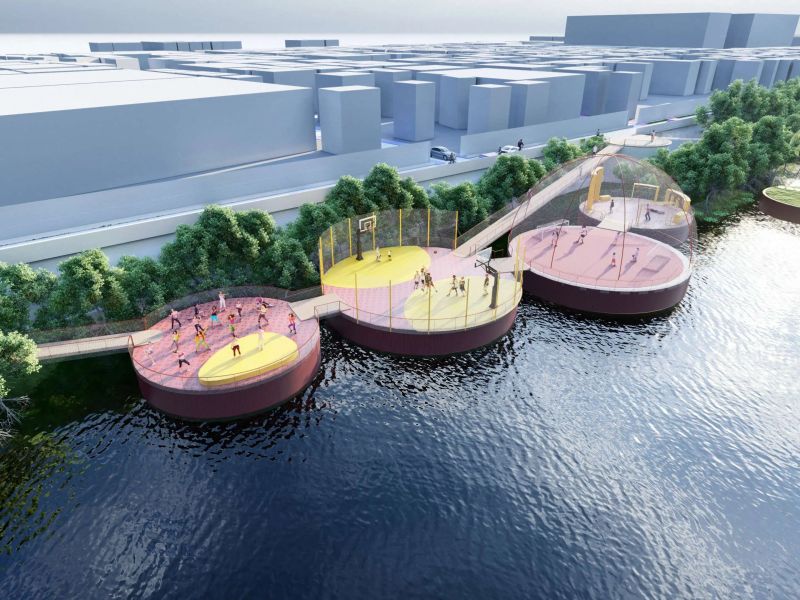
The city is developing a floating parks concept along the Pasig River, an unusual approach to creating more public and green spaces in a city where land for new parks can be difficult to find.
The idea was first put to the test in September 2025, when the Pasig City government held a prototyping day at the San Joaquin Ferry Station. Using a barge, the city demonstrated how a floating structure could be transformed into a community space with possibilities such as a playground, pocket park, garden and multipurpose area.
It was an experiment—but one that has since attracted international attention.
From prototype to award-winning idea
Pasig City's floating parks proposal was named one of the winners of the Bloomberg Philanthropies 2025–2026 Mayors Challenge, selected from more than 630 applications from cities around the world.
The city will receive US$1 million, along with technical support and additional resources to help develop the concept with the participation of Pasigueños.
The project, called “Hope Floats: Revitalizing Riverside Easements and Urban Green Spaces in Pasig City through Floating Parks,” isn't simply about putting a park on a barge.
The broader vision is to create more accessible open spaces while reconnecting communities with the Pasig River—an important part of the city's history and identity. The proposed system also integrates floating parks with existing riverside and linear parks.
A park designed with the community
Perhaps the most interesting part of the project is that the people who will eventually use these spaces are being involved in shaping them.
Before finalizing the proposal, Pasig City LGU conducted consultations with residents and barangay officials near the prototype area, as well as representatives from government agencies, non-government organizations and the private sector. The city says community participation will continue through the planning, construction, management and operation of the floating parks.
The concept also goes beyond recreation. Proposed designs include extensions of linear parks and features such as rainwater cisterns, reflecting the city's effort to combine open space, environmental considerations and urban resilience.
A different way to experience the city
For a city shaped by rivers and waterways, the idea makes an interesting kind of sense.
Instead of asking where another park can fit, Pasig City is asking whether the river itself can become part of the city's public-space network.
And for residents, that could eventually mean more places to walk, relax, play, gather or simply spend time outdoors—without having to travel far from their neighborhood.
For communities in and around Barangay San Joaquin, where the initial prototype was tested, the project offers a glimpse of how the familiar riverside environment could take on a new role.
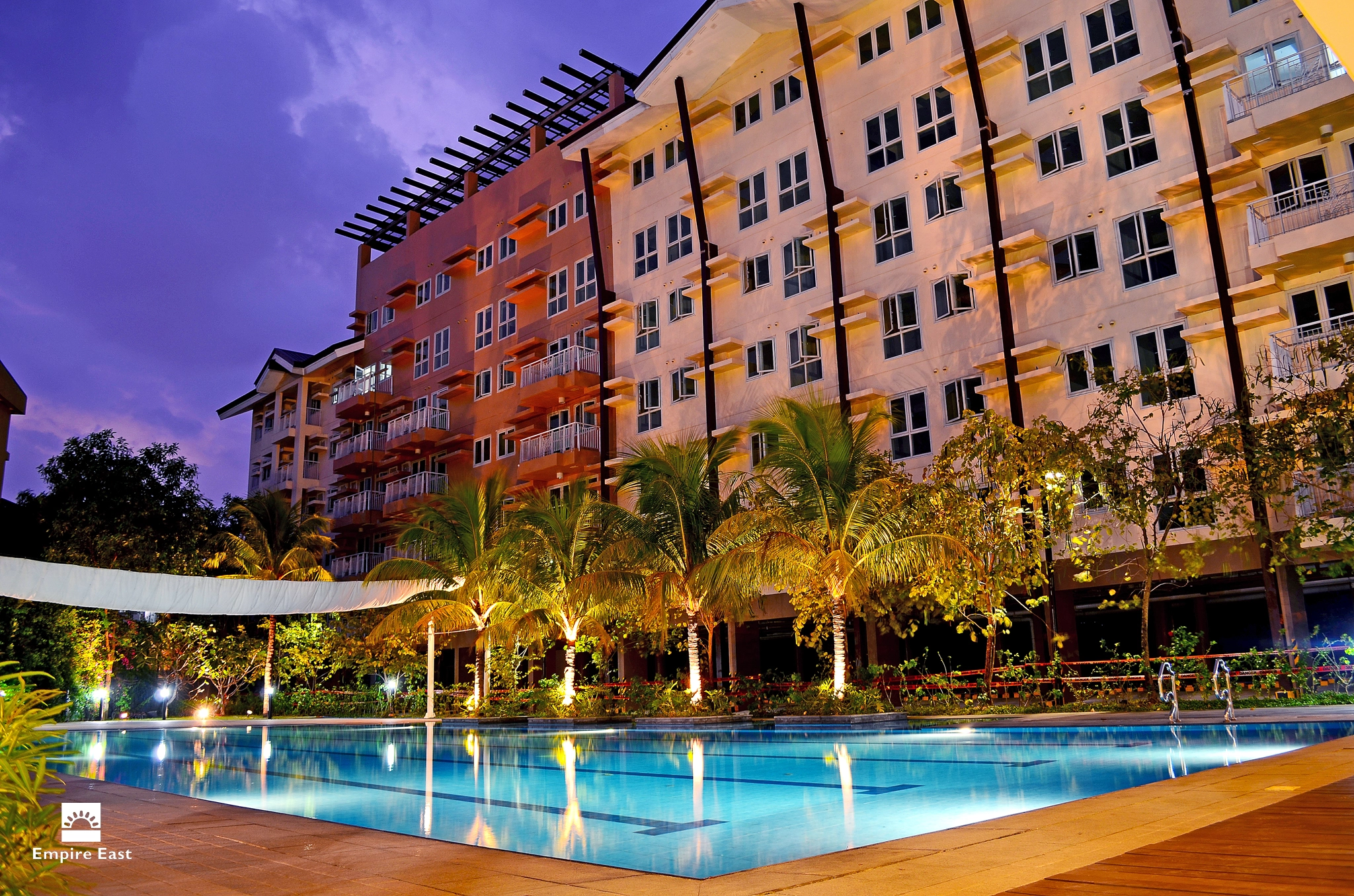
The Rochester, Empire East’s mid-rise community also located in San Joaquin, is part of this same evolving neighborhood—one where access to the river, transportation and community spaces are becoming part of the story of urban living.
Sometimes, making room means thinking differently
Metro Manila's cities are constantly looking for ways to create more space for people amid roads, buildings and growing communities.
Pasig City's answer may be one of the most unexpected:
If there isn't enough room on land, perhaps there is another place to look.
On the water.
Featured Image: Conceptual Render by ALAO Design
 Empire East Highland City
 The Paddington Place
 Mango Tree Residences
 Kasara Urban Resort Residences
 Covent Garden
 The Rochester
 Pioneer Woodlands
 Little Baguio Terraces
 San Lorenzo Place